Turn a new product idea into software
We turn an idea into a usable digital product step by step. We sharpen the use case, limit the initial scope, and create a technical foundation that can continue to evolve after the MVP.
We develop custom software beyond the first release. A dedicated product team plans new capabilities, keeps operations stable, and continuously improves technology and user experience. We can start with a new product idea or take over existing software in a controlled way, preserving knowledge and helping the product grow reliably with your requirements.
Discuss your projectAn initial conversation, without obligation.
Show us where you stand.
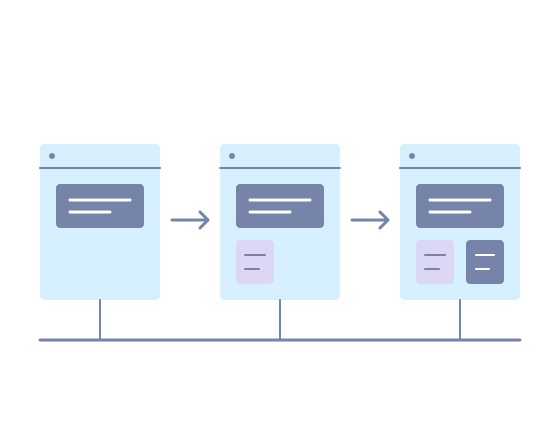
From product idea to operations and continuous evolution
Long-term software product development is not linear. Insights from operations and real usage continuously feed back into strategy, the roadmap, and upcoming releases. This creates manageable decisions instead of rare, high-risk major projects.
Phase 1 of 4
We clarify target groups, business goals, and technical constraints. The result is a prioritized roadmap that brings value, risks, and the available budget together.
Together, we clarify your starting point and the next useful step. We reply within 24 hours.
Discuss your software productFour common starting points
A long-term product team is valuable when software must create lasting value and adapt to new requirements. We join at different stages and first establish clarity about goals, risks, and the most useful next step.
We turn an idea into a usable digital product step by step. We sharpen the use case, limit the initial scope, and create a technical foundation that can continue to evolve after the MVP.
The application is in use, but its roadmap, delivery pace, or technical quality no longer meets expectations. We organize requirements, stabilize development, and restore a steady flow of understandable improvements.
Missing documentation and scattered knowledge make a handover risky. We analyze code, infrastructure, and operations, secure access, and systematically build the product knowledge needed for a reliable transition.
More users, data, and integrations raise operational demands. We combine monitoring, maintenance, and technical evolution so that performance, security, and usability can grow with the product.
When a product connects several user groups, roles, and existing systems in one shared application, we develop it as a platform or portal .
Services for a product in active use
Long-term software product development combines new capabilities with the work that keeps a digital product reliable. The right mix depends on usage, risk profile, and the technical starting point.
Software maintenance includes more than resolving defects. Corrective maintenance removes faults, adaptive maintenance responds to changed platforms and dependencies, and preventive measures reduce future failures. Product development also adds the deliberate improvement of capabilities and user experience.
Product handover without guesswork
A change of software partner must not put ongoing operations at risk. We first create transparency around the application, infrastructure, data, and open risks. Then we take responsibility incrementally with clear acceptance points.
We review the codebase, architecture, dependencies, infrastructure, access, and known issues. Conversations with previous contributors complete the picture but are not a prerequisite.
Repositories, deployments, domains, certificates, backups, and external services are documented clearly. We close critical gaps first.
We make core workflows understandable, protect business-critical capabilities with tests, and organize defects, technical risks, and product ideas in a shared backlog.
The assessment becomes a prioritized roadmap. Small early releases demonstrate that development and operations work reliably before larger changes begin.
If the technical foundation itself is the central problem, our service for modernizing legacy software shows how we renew established systems incrementally.
Predictable capacity instead of a black box
Long-term collaboration does not require a fixed feature list for an entire year. It requires clear goals, visible priorities, and a team whose available capacity fits the product.
Ongoing costs depend mainly on team size and available capacity, release frequency, operational responsibility, support hours, and the technical starting point. After a shared assessment, we propose a suitable working model and transparent budget. Urgent operational work and planned product development remain visible separately.
Long-term product responsibility

Developing, migrating, and operating a learning platform since 2018
We took over several subsystems from three providers, consolidated the platform during live operations, and continue to evolve it as functional and technical requirements change.
View Onilo
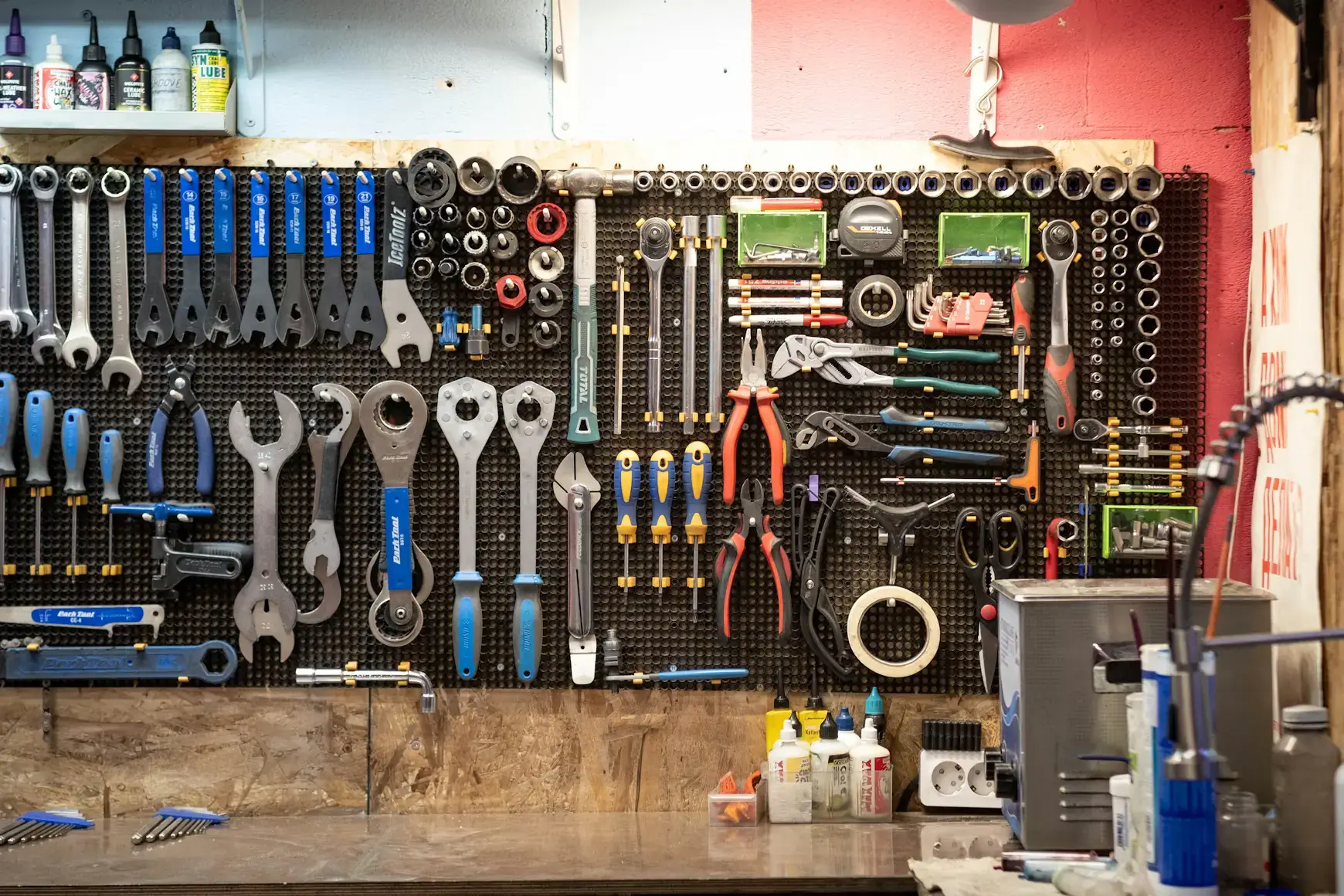
Building and operating a SaaS product for the long term
We have designed, developed, and operated custom tool-management software for automotive workshops since 2018, including structured data migrations from the previous system.
View SEPP.One
Long-term product responsibility is part of our daily work
We have developed and operated Onilo, Mangeno, and SEPP.One since 2018. That experience covers launches, provider changes, migrations, growing data volumes, new requirements, and reliable operations over many years.
The people who understand the architecture and domain remain available. This shortens coordination, reduces handover risk, and supports sound decisions about new capabilities and technical investments.
We prioritize together, challenge requirements, and make technical risks visible. This directs the budget toward improvements that help users and operations without neglecting long-term maintainability.
What clients often want to know.
Long-term product development is worthwhile when software supports a core business process, serves growing user groups, or must adapt continuously to new requirements. A stable product team preserves knowledge and improves the application through measurable, manageable iterations.
Yes. We begin with a technical and functional assessment, secure access and operations, and build an understandable backlog. Documentation, automated tests, and an incremental roadmap make the handover manageable even when knowledge or records are missing.
Software maintenance includes resolving defects, updating dependencies and security measures, adapting to changing platforms, monitoring, backups, and work on performance and maintainability. The right scope depends on the product, its risk profile, and the operational responsibility we take on.
Yes. Depending on your needs, we handle deployments, hosting, monitoring, backups, technical incident response, and ongoing security updates. Responsibilities, response paths, and support hours are agreed transparently before we begin.
You work with a stable, interdisciplinary team in short planning and development cycles. Priorities, progress, budget, and technical decisions remain visible, while regular releases bring feedback from real users into the next iteration.
The cost depends primarily on team capacity, release frequency, the scope of operations and support, the technical starting point, and the quality measures required. After an assessment, we propose a suitable working model with a transparent budget.
We make technical risks visible and prioritize them alongside product requirements and operational work. Critical issues are addressed early, while other improvements enter the roadmap incrementally. This keeps development predictable without stopping the product for a major rebuild.
Whether you have a new product idea, an application already in use, or a planned change of software partner, we will identify the most useful next step together.